Premises liability law is a critical area of personal injury law that holds property owners accountable for injuries sustained on their premises due to unsafe conditions. In Delaware, navigating these cases can be complex, especially when dealing with slip and fall incidents, including icy sidewalk injuries and other hazardous situations. This article provides an overview of premises liability in Delaware, focusing on common scenarios such as grocery store fall lawsuits and hotel fall injury claims, while offering guidance on how to effectively navigate these legal waters.
Understanding Premises Liability
Premises liability refers to the legal responsibility of property owners to ensure their premises are safe for visitors. If someone is injured due to unsafe property conditions, the owner may be held liable for damages. This concept applies to various settings, including residential properties, commercial establishments like grocery stores, hotels, and public spaces.
In Delaware, the law outlines specific criteria that must be met for a successful premises liability claim. Generally, the injured party must prove that:
The property owner owed a duty of care to the injured person. The property owner breached that duty by failing to maintain safe conditions. The breach directly caused the injury. The injured party suffered damages as a result.Common Types of Premises Liability Cases
Slip and Fall Accidents
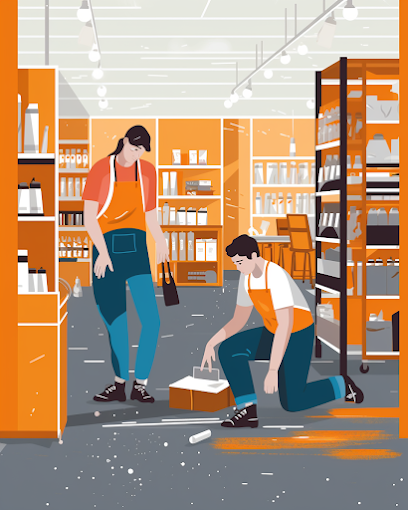
One of the most prevalent types of premises liability cases involves slip and fall accidents. These incidents often occur due to hazardous walking surfaces such as wet floors or icy sidewalks. In Delaware, if an individual slips and falls at a grocery store or other business due to negligence regarding unsafe property conditions, they may have grounds for a lawsuit.
For instance, if a grocery store fails to adequately address spills or does not provide proper signage indicating wet floors, they may be liable for any resulting injuries. Similarly, icy sidewalk injuries can lead to https://www.google.com/maps?ll=39.746512,-75.549128&z=14&t=m&hl=en&gl=US&mapclient=embed&cid=4399725163756438984 significant claims against property owners who neglect snow removal during winter months.
Trip and Fall Compensation
Trip and fall incidents can arise from various factors such as uneven pavement, poorly maintained staircases, or cluttered walkways. In Delaware, individuals who experience trip and fall injuries can seek compensation from property owners if they can demonstrate negligence in maintaining safe conditions on their property.
For example, if someone trips over an unmarked step in a shopping center and sustains serious injuries, they may have grounds for a lawsuit based on the owner's failure to provide adequate warnings or maintenance.

Hotel Fall Injury Claims
Hotels also bear significant responsibility for ensuring guest safety within their premises. A hotel fall injury claim might arise from various circumstances such as inadequate lighting in hallways or slippery bathroom floors without non-slip mats. Guests who suffer injuries in these scenarios should document the incident thoroughly and consider consulting with a slip and fall attorney familiar with Wilmington's specific laws.
Establishing Negligence
To establish negligence in a premises liability case in Delaware:
Document Evidence: Collect evidence immediately after an incident occurs. Take photographs of hazardous conditions—like icy sidewalks or uneven flooring—and gather witness statements where possible.
Notify Authorities: Report the incident to management or local authorities promptly; this documentation can support your claim later.
Seek Medical Attention: Always prioritize health by seeking medical treatment after an injury occurs; this will create records that may be crucial in proving your case.
Consult with an Attorney: Engaging with an experienced attorney specializing in premises liability matters can help navigate complex legal processes while ensuring you receive fair compensation.
Defenses Against Premises Liability Claims
Property owners in Delaware may present several defenses against premises liability claims:
- Comparative Negligence: If it can be shown that the injured party's actions contributed to their accident (e.g., not paying attention), compensation may be reduced accordingly. Open and Obvious Danger: If a hazard was open and obvious (e.g., a clear icy sidewalk), defendants might argue that reasonable individuals would have taken precautions to avoid it. Trespassing: Property owners typically owe lower duties of care to trespassers than invitees; however, exceptions exist concerning children or known trespassers.
Conclusion
Navigating premises liability lawsuits in Delaware requires understanding both your rights as an injured party and the responsibilities of property owners. From slip-and-fall accidents at grocery stores to hotel fall injury claims stemming from unsafe conditions—being informed about potential hazards is crucial for both victims seeking justice and property owners striving for compliance with safety standards.
If you find yourself involved in such an incident, remember that prompt action combined with professional legal assistance can significantly enhance your chances of obtaining compensation for your injuries.
Frequently Asked Questions
Q1: What should I do immediately after a slip-and-fall accident?
A1: Document the scene by taking pictures of hazardous conditions, report the incident to management or authorities right away, seek medical attention if necessary, and consult with a qualified attorney specializing in slip-and-fall cases.
Q2: How long do I have to file a premises liability claim in Delaware?
A2: In Delaware, you generally have two years from the date of your injury to file a premises liability claim; however, it’s advisable to initiate the process sooner rather than later.

Q3: Can I recover damages if I was partially at fault for my accident?
A3: Yes! Delaware follows comparative negligence laws where your compensation might be reduced based on your level of fault; thus it's essential to consult with an attorney regarding your specific situation.
Q4: Are there different rules for residential versus commercial properties?
A4: Yes! Property owners owe higher duties of care towards invitees (such as customers) compared to trespassers; thus commercial properties face stricter regulations regarding safety compared to residential properties.
Q5: What type of compensation am I entitled to if I win my case?
A5: Victims may recover various types of damages including medical expenses related to treatment for injuries sustained at unsafe properties, lost wages due to missed workdays following the accident recovery period along with pain and suffering damages incurred during this time frame.
By understanding these foundational elements surrounding premises liability laws in Delaware—and knowing what steps are essential after sustaining an injury—you empower yourself towards achieving just outcomes following unfortunate events occurring within public spaces or private properties alike!